European Universities: Education Opportunities and Tuition Fees by Country

I noted that 43% of Turkish students who went abroad for university in 2024 chose Germany, Italy, and the United Kingdom, and I tried to explain why these countries were so attractive. In this article, I would like to discuss European countries beyond these three. In my view, many European countries offer interesting higher education opportunities, and students are not limited to the three most popular destinations I mentioned.
Studying at University in Europe: Options Beyond Germany, Italy, and the United Kingdom
One of the strongest factors determining the level of universities in a country is that country's economic position. Larger and wealthier countries can invest more in education and create stronger institutions - and more of them. Yet regardless of economic conditions, every country needs at least a small number of strong higher education institutions. As a result, almost every country has at least one university that may be attractive to international students. Students who want to study at university in Europe should not limit their research to institutions in Germany, Italy, and the United Kingdom. In this article, I will discuss opportunities in a range of European countries.
Europe's Best Universities: THE Rankings and Tuition Fees in Selected Countries
I used the 2027 THE rankings in the table below.
| Country | Top Univ. Rank | Top Univ. | 5th Univ. Rank | Univ. in Top 100 | Univ. in Top 300 | Sample Tuition at Top Univ. (EUR) |
|---|---|---|---|---|---|---|
| Switzerland | 12 | ETH | 129 | 2 | 6 | 4,700 |
| Belgium | 45 | KU Leuven | 252 | 1 | 8 | 9,500 |
| Netherlands | 50 | Delft | 87 | 5 | 11 | 19,900 |
| Sweden | 55 | Karolinska | 219 | 1 | 8 | 16,000 |
| France | 57 | Paris SL | 231 | 3 | 5 | 19,500 |
| Denmark | 81 | Copenhagen | 277 | 2 | 5 | |
| Austria | 95 | Vienna | 269 | 1 | 5 | 1,500 |
| Finland | 118 | Helsinki | 326-350 | 0 | 3 | 13,000 |
| Spain | 143 | Barcelona | 351-375 | 0 | 4 | 6,000 |
| Ireland | 171 | Trinity | 301-325 | 0 | 4 | 29,500 |
| Hungary | 247 | Semmelweis | 1001-1200 | 0 | 1 | 8,100 |
| Luxembourg | 252 | Luxembourg | 0 | 1 | 800 | |
| Estonia | 376-400 | Tartu | 0 | 0 | 4,200 | |
| Czechia | 451-500 | Charles | 1001-1200 | 0 | 0 | 7,000 |
| Poland | 451-500 | Wroclaw Med. | 1001-1200 | 0 | 0 | 7,400 |
A few important limitations:
- THE primarily evaluates research-intensive universities, and these rankings are not a direct measure of the overall quality of undergraduate education at a university.
- Not all of the highest-ranked universities in these countries necessarily offer English-taught bachelor's programs. Where they do not, the tuition column has been left blank.
- Tuition fees may vary by program. In most cases, engineering or business program fees were used.
- In countries outside the European Union, fees are charged in local currency. We converted these amounts into euros using October 2026 exchange rates.
Let me now highlight a few points I found particularly interesting in the table:
- Twelve of the 15 countries in the table have at least one university in the global top 300. Each of the first seven countries on the list has at least five universities in the top 300. These universities rank ahead of every Turkish university in the ranking.
- There are major differences in tuition fees. The least expensive university costs EUR 800 per year, while the most expensive approaches EUR 30,000.
- The Netherlands stands out in terms of rankings, while Luxembourg (and Austria) stand out in terms of tuition fees.
I would like to briefly discuss each country.
Universities in Switzerland: Language of Instruction and Undergraduate Tuition Fees
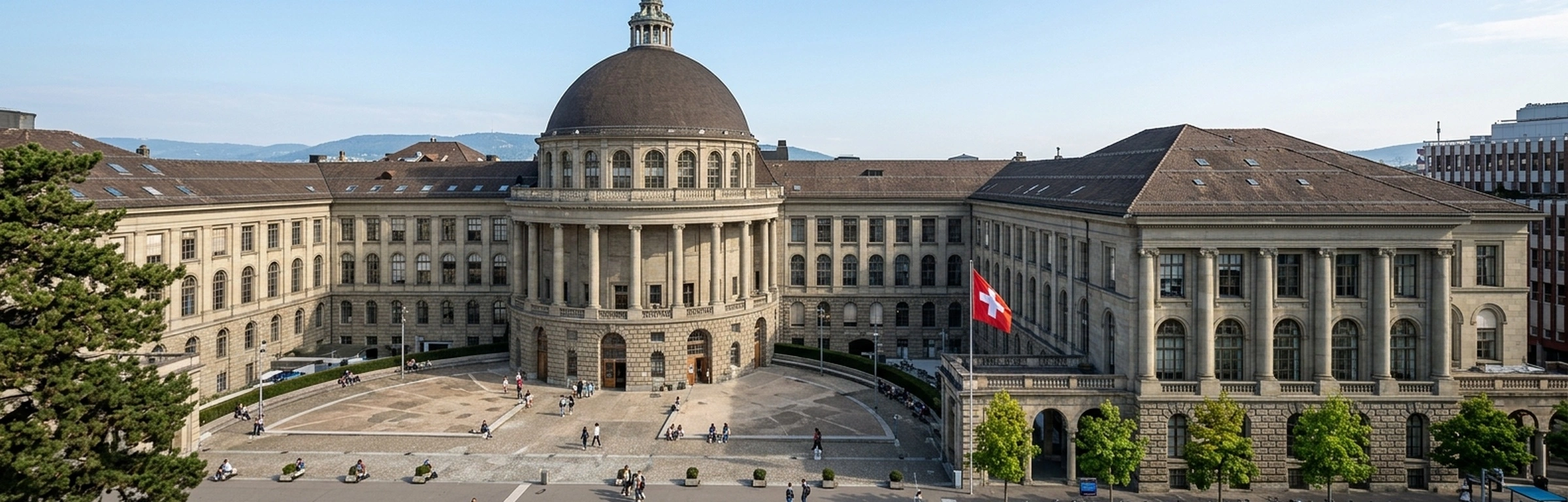
In my view, Switzerland is one of the most interesting yet least noticed countries in higher education. Switzerland has two universities in the top 100. ETH, in particular, is known as one of Europe's leading technical universities. ETH teaches in German, while EPFL teaches in French. Tuition fees at these universities are quite reasonable for international students. For students who want to study in English, the business program at St. Gallen costs around EUR 7,200.
Universities in Belgium: English-Taught Bachelor's Programs and Tuition Fees
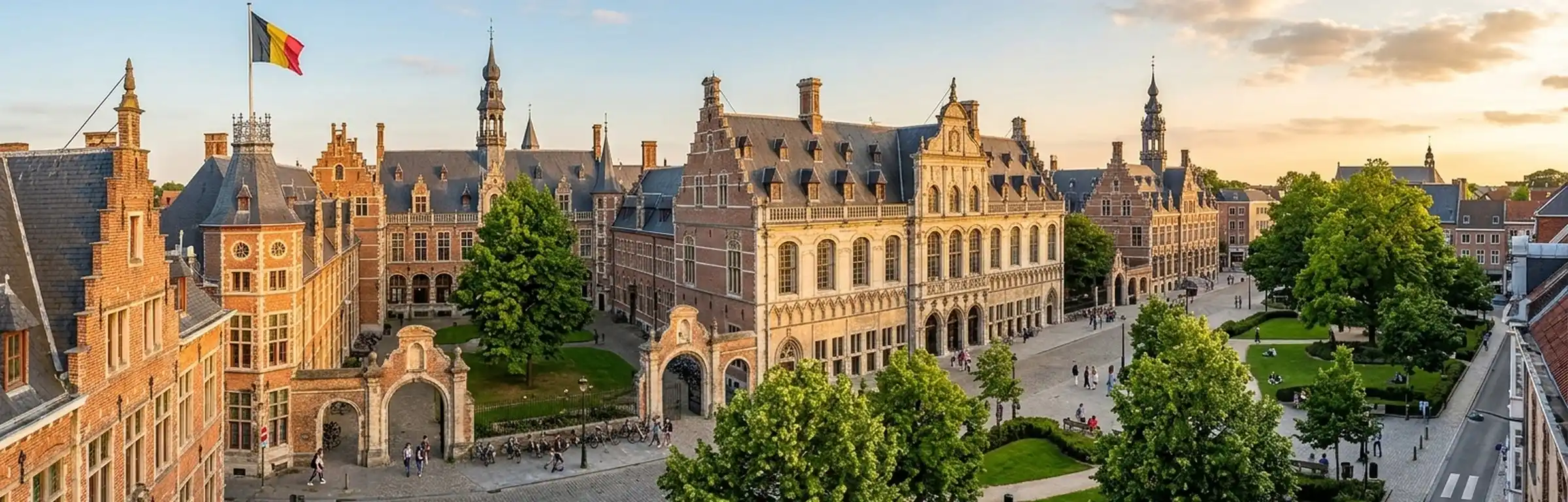
Belgium has strong universities, but the range of English-taught bachelor's programs is limited. University programs are generally taught in Dutch or French. At the highest-ranked institution, KU Leuven, business and engineering technology programs are available in English, with tuition fees below EUR 10,000. The most affordable English-taught option in the country is the business program at Vrije, at EUR 5,700.
Universities in the Netherlands: English-Taught Education and Undergraduate Tuition Fees
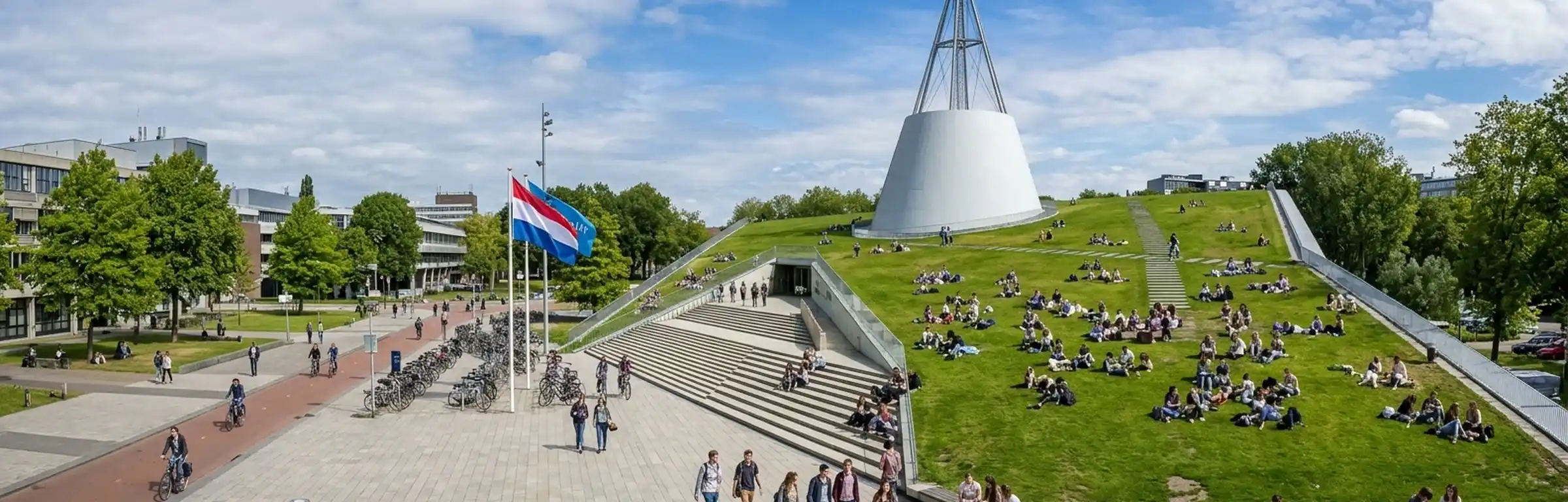
All of the top five universities - Delft, Amsterdam, Wageningen, Leiden, and Groningen - offer English-taught bachelor's programs. All five are in the top 100, and tuition fees range from EUR 15,000 to EUR 20,000. At Erasmus, ranked 109th, the business program costs EUR 13,500. In my view, the Netherlands is a more affordable alternative for students considering the United Kingdom.
Universities in Sweden: English-Taught Program Options and Tuition Fees
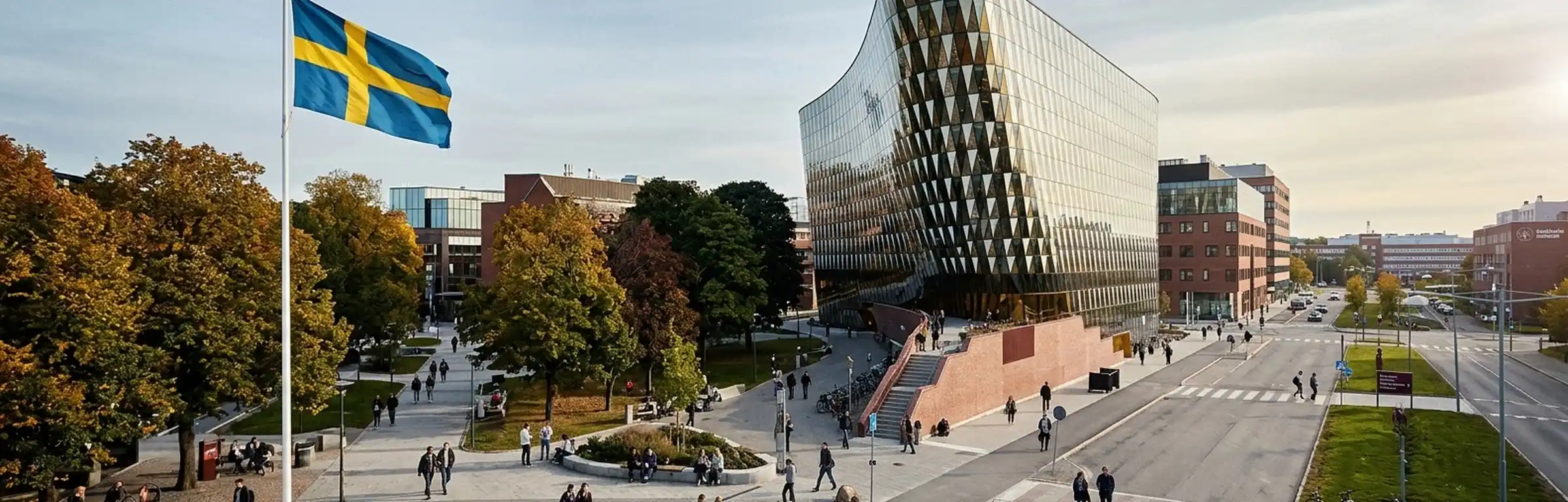
Academic quality in Sweden is high, but there are fewer English-taught bachelor's options than in the Netherlands. For students interested in engineering, KTH's English-taught ICT program (EUR 12,700) is an important exception. There are also options in biomedicine, basic sciences, international relations, and game development. Tuition fees range from EUR 10,000 to EUR 20,000, which is lower than some programs in the Netherlands. Gothenburg's international relations program costs EUR 8,600.
Universities in France: Tuition Differences Between French- and English-Taught Programs
France has a particularly interesting tuition policy. The EUR 19,500 fee shown in the table is for an English-taught bachelor's program in artificial intelligence. At Paris-Saclay, however, the French-taught business and economics program costs EUR 178. In other words, for students who speak French, French universities can be considered almost tuition-free. English-taught programs, by contrast, are priced similarly to those in the Netherlands.

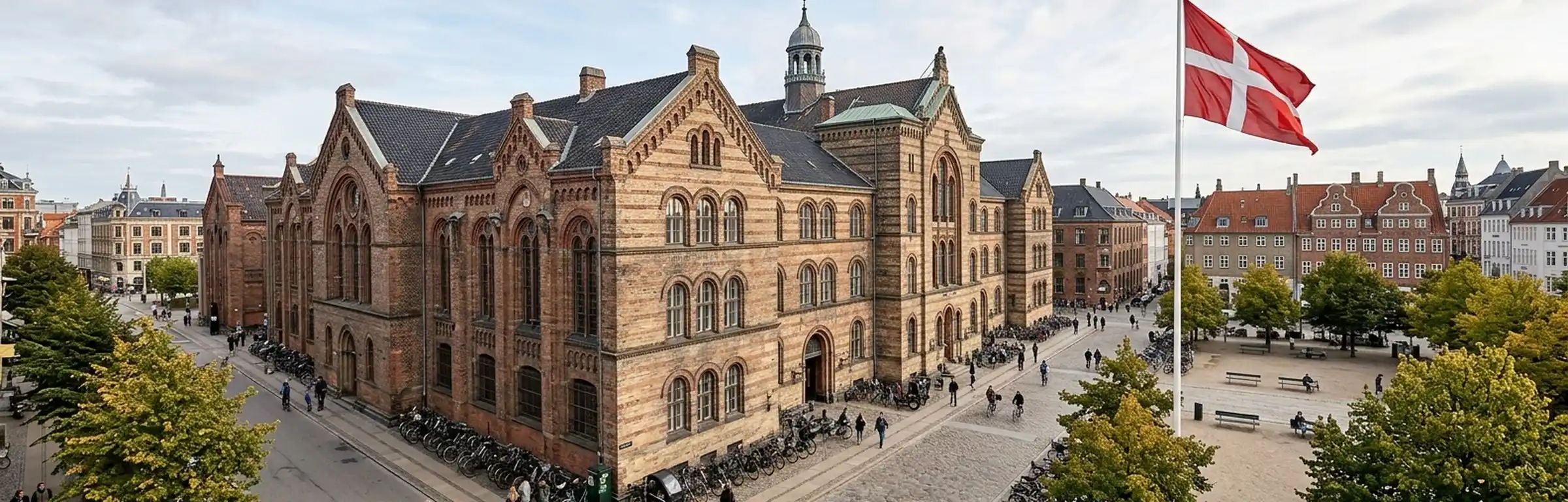
Universities in Denmark: English-Taught Business and Engineering Programs
The country's highest-ranked university does not offer an English-taught program. However, Aarhus, which is in the top 100, offers an English-taught business program for EUR 8,500. At the Technical University of Denmark, Aalborg, and SDU - all in the top 300 - English-taught engineering programs cost around EUR 15,000. Denmark can be an alternative for students considering the Netherlands.
Universities in Austria: Low Tuition Fees and English-Taught Programs
Austria occupies an interesting position among the countries we examined: English-taught bachelor's options are not as widespread as in the Netherlands, but tuition fees at public universities are much lower. It is particularly notable that the University of Vienna is in the THE top 100 and offers a fully English-taught bachelor's program in data science for approximately EUR 1,500 per year. Business and economics programs at the Vienna University of Economics and Business are available at the same tuition level. The University of Klagenfurt offers six fully English-taught bachelor's programs, including Robotics and Artificial Intelligence, Information and Communications Engineering, and International Business and Economics. Austria should not be overlooked by students who want to study in German or English at a relatively low cost.

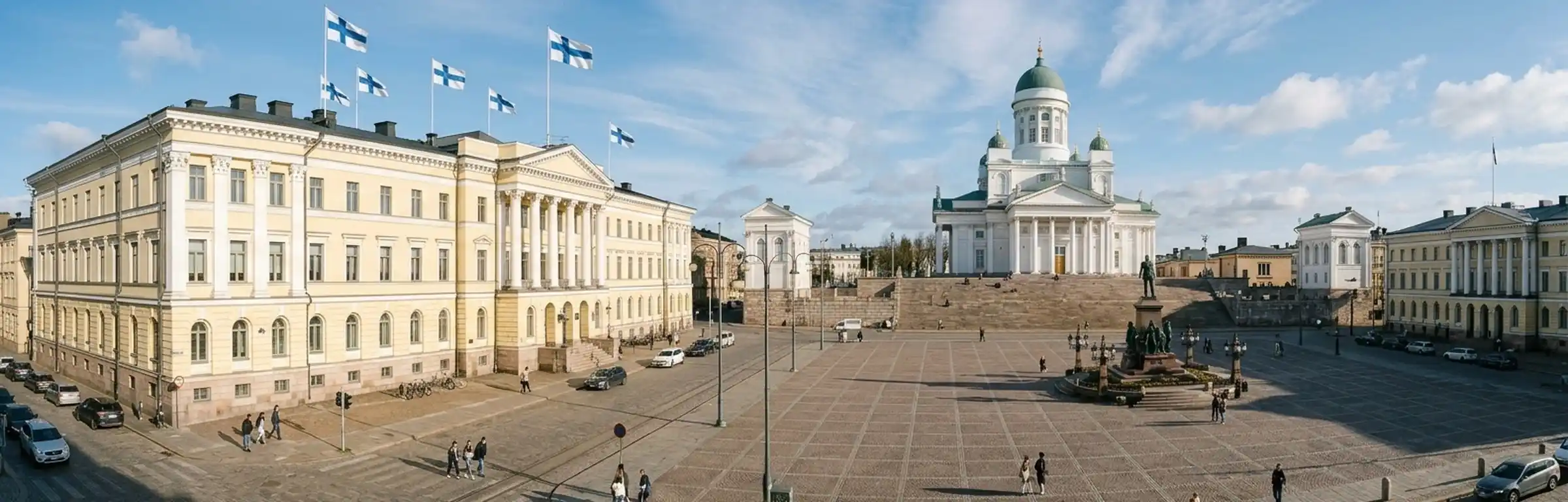
Universities in Finland: English-Taught Bachelor's Education and Tuition Fees
Finland is another country where students can access high-quality education at a relatively modest cost. All of the country's top five universities offer English-taught bachelor's programs, and the annual tuition fees of the programs we examined range from EUR 10,000 to EUR 13,000. Finland stands out as a more affordable alternative to the Netherlands, particularly in engineering and computer science. Aalto University, a new-generation, entrepreneurship-oriented institution created through the merger of three universities, offers many programs in English; tuition for engineering and business programs is EUR 12,000. LUT University offers 15 English-taught programs, and early-payment discounts or scholarships can reduce tuition to below EUR 10,000.
Universities in Spain: Language of Instruction and Affordable Programs
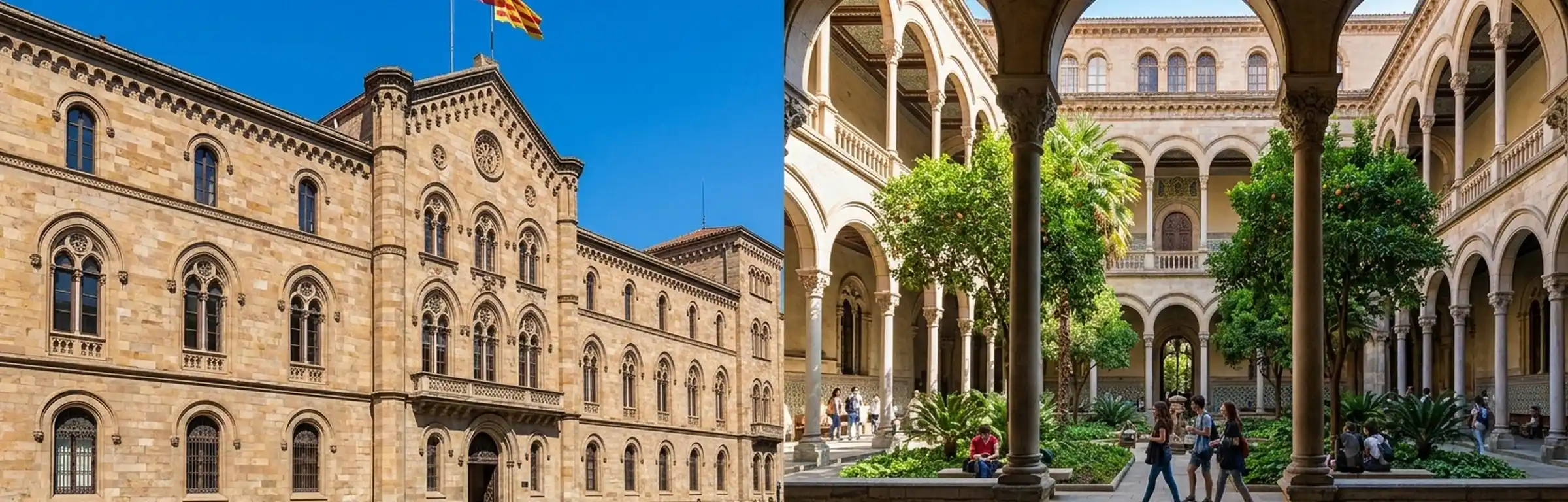
The University of Barcelona offers only a limited number of programs in English, but tuition fees are very affordable. For example, an international business program taught approximately three-quarters in English costs between EUR 4,000 and EUR 6,000. Pompeu Fabra University, also in Barcelona and ranked third in Spain, charges around EUR 6,800-7,000. Spain is not as easy to navigate for English-taught undergraduate study as the Netherlands or Finland, but it appears more attractive financially and is worth researching.
Universities in Ireland: English-Taught Education and Annual Tuition Fees
The language of instruction in Ireland is English, but tuition fees are relatively high. Engineering programs typically cost around EUR 27,000-30,000 per year, while business program fees fall closer to EUR 20,000. Ireland's main advantage is the opportunity to earn a European Union university degree in an English-speaking country and gain access to a labour market where many international companies operate. In my view, Ireland is a strong alternative to the United Kingdom, although it does not come close to the Netherlands or Finland in terms of cost.

Universities in Hungary: Medicine and Health Sciences Education
There are interesting opportunities at Semmelweis, the country's highest-ranked university. This institution specializes in health sciences, and many health programs - including Optometry, Nursing, Physiotherapy, Health Management and Health Tourism, Public Health Inspection, Dietetics, and Midwifery - cost around EUR 8,000 per year. Medical school tuition is higher at EUR 18,000, but it still represents an interesting opportunity for medical education. Medical degrees earned in Hungary may provide important advantages under European Union rules on the recognition of professional qualifications. However, language, professional registration, and work-permit requirements must still be met separately in each country.

University of Luxembourg: Tuition Fees and English-Taught Computer Science
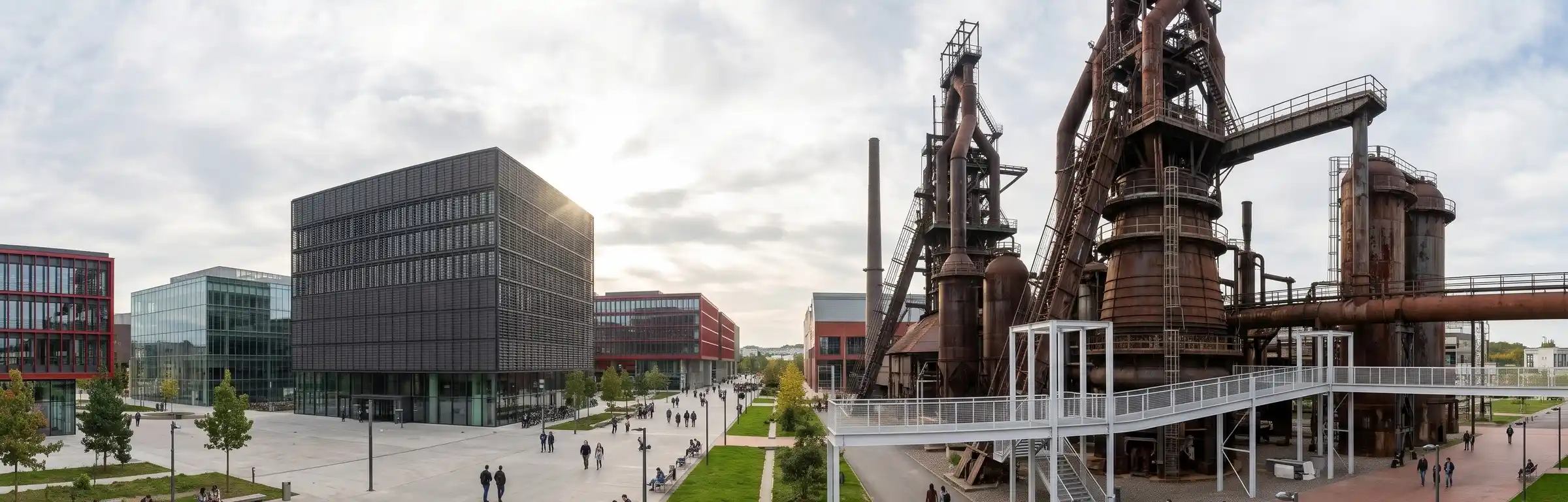
Luxembourg may be the biggest surprise in our table. One of Europe's wealthiest countries and one of the OECD countries that devotes the most resources to education, Luxembourg has only one university, where tuition is just EUR 800 per year. Half of Luxembourg's citizens go abroad for university, and the university does not charge international students a different tuition fee. The computer science program is 100% in English. It may be one of the most affordable high-quality English-taught computer science programs in Europe. Other programs are taught in two languages. Students who know French or German may also find the other programs worth considering.
Universities in Estonia, Lithuania, and Latvia: Programs and Tuition Fees
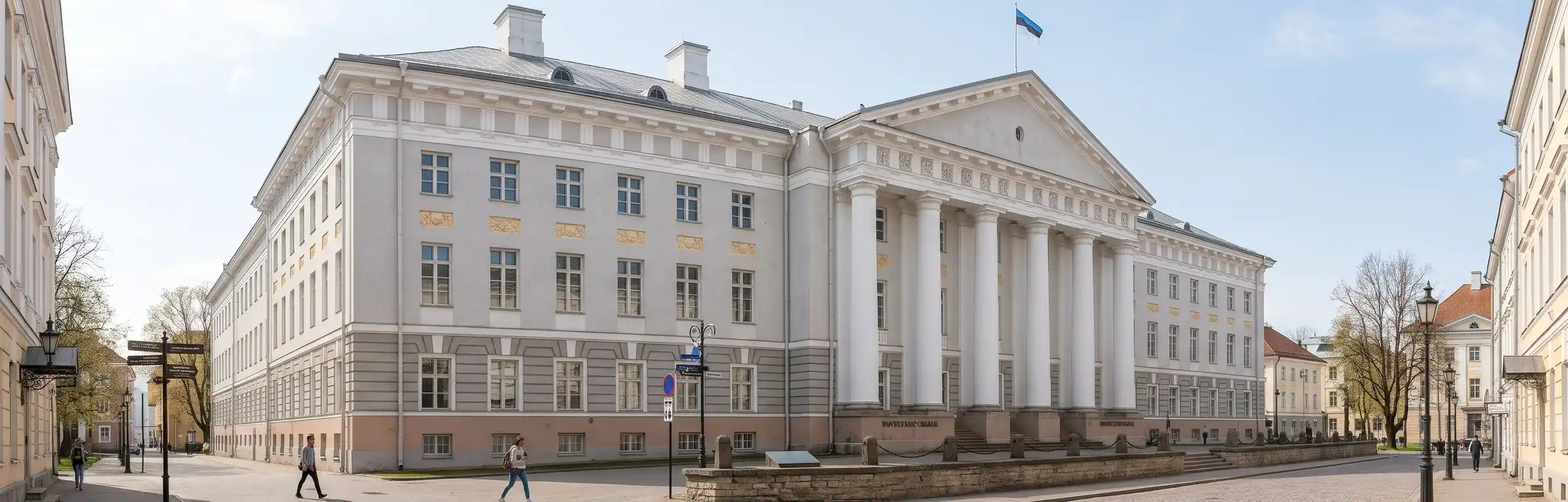
There are also interesting alternatives in the Baltic countries, particularly Estonia and Lithuania. These countries have relatively few universities, and even their strongest institutions do not rank especially high globally. Nevertheless, they offer affordable options for studying abroad. At the University of Tartu in Estonia, for example, an English-taught bachelor's in Business costs EUR 4,200 per year, while an English-taught Science and Technology bachelor's costs EUR 6,000 per year. At Vilnius University in Lithuania, the English-taught Software Engineering bachelor's costs EUR 4,560 per year and Business Data Analytics costs EUR 4,500. At Riga Technical University in Latvia, English-taught bachelor's programs in Civil Engineering or Mechanical Engineering cost EUR 4,030 per year, while Computer Systems costs EUR 5,030. In addition to low tuition fees, these three Baltic countries stand out for their quality of life and proximity to Northern Europe.
Universities in Czechia: English-Taught Engineering, Business, and Medical Education
Czechia is particularly interesting for English-taught computer science and engineering education. As in Hungary, Czechia's advantage lies not only in its universities' overall world rankings, but also in the presence of long-established institutions in specific fields, the availability of English-taught programs, and lower living costs than in Western Europe. At the highest-ranked institution, Charles University, computer engineering costs only EUR 7,000. Other options are even less expensive: Electrical/Electronic Engineering at Czech Technical University costs EUR 4,500, while business and engineering programs at the Czech University of Life Sciences range from EUR 2,000 to EUR 3,000. Czechia's official higher education promotion agency also states that tuition for most English-taught programs does not exceed EUR 6,000. For students interested in medicine, tuition at Charles University's Second Faculty of Medicine is EUR 17,000, while Masaryk charges EUR 15,500.

Universities in Poland: English-Taught Programs and University Tuition Fees
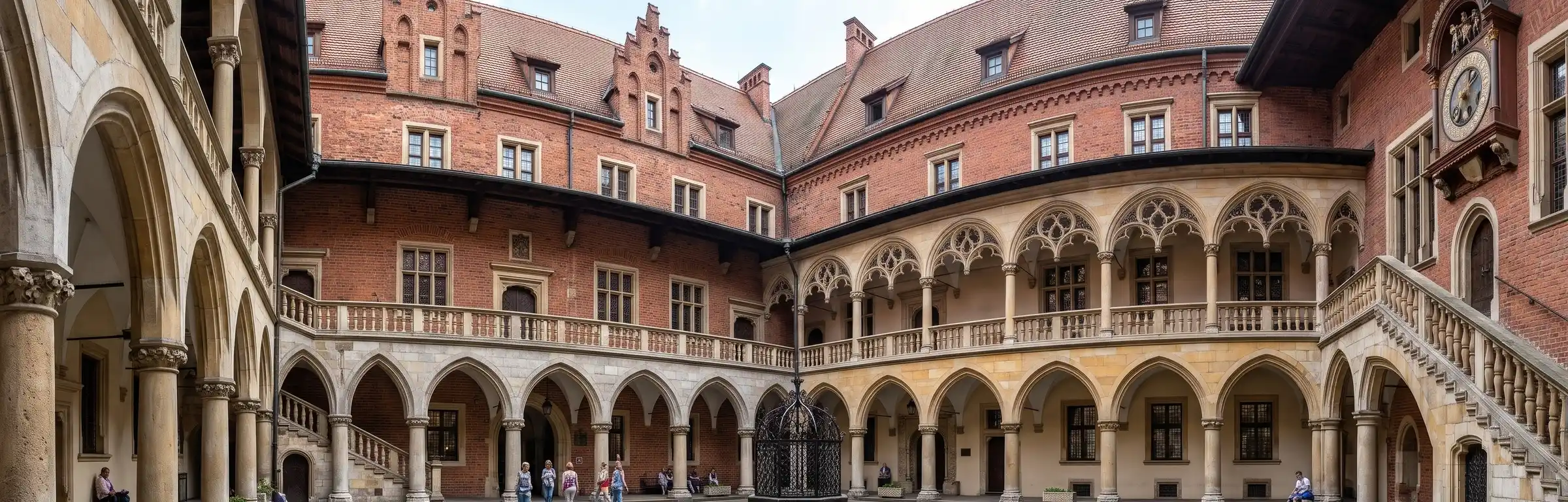
Poland's main advantage is that English-taught bachelor's education can be obtained at lower tuition levels than in Western Europe. On the other hand, the overall THE rankings of Polish universities are not as strong as those of institutions in the Netherlands, Belgium, or Sweden. Poland resembles Czechia in English-taught engineering, computer science, and business education, but English bachelor's programs are more widespread in Poland, with a variety of public universities in cities such as Warsaw, Krakow, and Wroclaw offering them. There are interesting opportunities in the EUR 4,000-6,000 range, including business at the University of Warsaw, aerospace engineering at Warsaw University of Technology, and computer-related programs at AGH University of Krakow.
European University Choices of OIHS Graduates
So far, these countries have not attracted much attention from Turkish students. Similarly, only three OIHS graduates have chosen the Netherlands, Spain, and Finland to date. However, many of our current students are now interested in the Netherlands. Given the advantages of these countries, I expect that over time we will place more students in universities there.
Choosing a University in Europe: Language of Instruction, Budget, and Academic Fit
The most important conclusion I draw from this research is that looking only at world rankings is not enough when choosing a university. Academically strong universities that teach in English and charge reasonable tuition fees can be found across many European countries. The key is to identify options that match the student's interests, language proficiency, and family budget. Students who limit their university research to the three most popular countries may overlook some very good opportunities.
European university options are certainly not limited to Germany, Italy, and the United Kingdom. In my view, there are very interesting alternatives in other countries. Switzerland and France offer excellent opportunities for students who speak German or French. Ireland, the Netherlands, Denmark, Sweden, and Finland offer interesting alternatives for students considering the United Kingdom. Hungary and Czechia stand out for students interested in medicine at reasonable tuition levels. Spain, Poland, Czechia, and the Baltic countries are important for students looking for lower-cost education, but the most affordable programs by a clear margin are in Austria and Luxembourg.